Outdated Database Systems and Paperwork Traps Threaten the Right to Vote for Naturalized Citizens and Married Women
When we talk about protecting the right to vote, our minds usually go to polling places, lines on Election Day, or registration deadlines. But for millions of eligible American citizens, the biggest threat to their ballot isn’t happening at the ballot box—it’s happening quietly behind the scenes in disconnected government databases and bureaucratic red tape.
With State and Federal General Elections approaching on Tuesday, November 3, 2026, ensuring that your voter registration is secure and unflagged is more urgent than ever. To cast your ballot in this election, you must complete your voter registration by Monday, October 5, 2026.
Recent discussions surrounding stricter verification proposals, such as the SAVE Act, and cross-agency database audits have brought a hidden crisis to light: administrative silos are putting eligible voters at risk.
1. The Naturalized Citizen Record Gap: When Systems Fail to Sync
For newly naturalized citizens, taking the oath of citizenship is the culmination of years of hard work, patience, and a deep commitment to the American Dream. Registering to vote is the ultimate celebration of that milestone.
However, many naturalized citizens assume that once citizenship is granted, all government systems update automatically. They do not.
When a person is naturalized through the Department of Homeland Security (DHS) and USCIS, that status does not automatically sync across every state and federal database. Unless individuals proactively update their profiles with agencies like the Social Security Administration, their records may still classify them incorrectly. When state and federal databases—such as the SAVE database (Systematic Alien Verification for Entitlements)—cross-reference these un-synced records, red flags are raised.
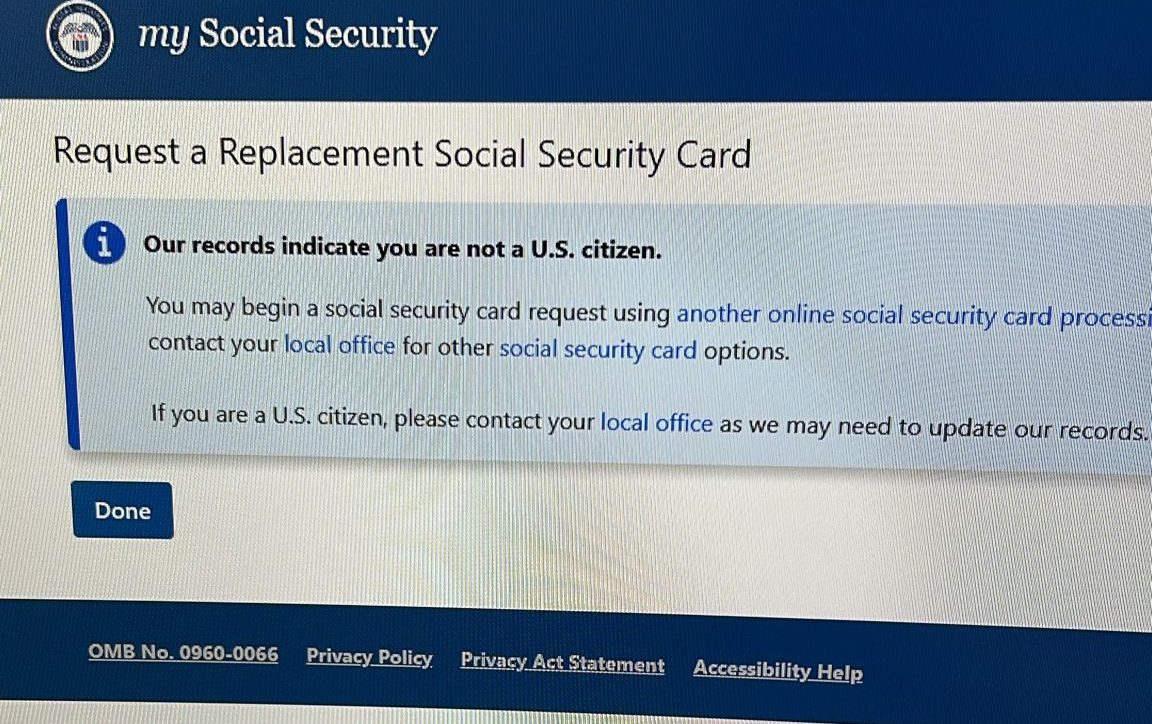
- The Personal Reality: People in my own family got notices and looked themselves up, finding that even though they are naturalized citizens, their status was not updated across all systems.
- The Danger: These database discrepancies can lead to improper voter registration flags, administrative delays, voter roll purge and sudden challenges to active voter rolls without adequate warning.
2. The Married Name Trap: The Birth Certificate Mismatch
It isn’t just naturalized citizens facing invisible administrative hurdles. Millions of women across the country face a separate, widespread paperwork trap driven by marriage and name changes.
Proposals that mandate strict documentary proof of citizenship—such as requiring a physical birth certificate for voter registration or list maintenance—fail to account for real-world legal history.
- The Statistics: An estimated 80% of American women change their last names upon marriage.
- The Discrepancy: Because a birth certificate reflects a person’s name at birth, tens of millions of married women possess birth certificates that do not match their current legal names. Married women will have to have access to their birth certificates alongside marriage certificates or legal name-change court orders just to bridge this administrative mismatch.
3. Key Deadlines for the November 2026 Election
To make sure your voice is heard this fall, mark your calendar with these crucial dates:
- Voter Registration Deadline: Monday, October 5, 2026
- Early Voting Period: Wednesday, October 14 through Thursday, October 29, 2026
- Absentee Mail-In Ballot Request Deadline: Saturday, October 24, 2026
- Election Day: Tuesday, November 3, 2026
4. Protecting Your Voice: What You Can Do Right Now
We cannot allow administrative oversight or rigid database discrepancies to disenfranchise eligible voters. Protecting your right to participate starts with auditing your own records before the registration window closes:
- Check Your Voter Registration Status: If you want to vote in this upcoming election, use your official state or county voter portals regularly to confirm that your active registration is secure and unflagged.
- Check Your Paper Trail: If you are a married person, keep certified copies of your marriage certificate alongside your birth certificate and current photo ID in a secure location at home.
- Check Your Social Security Records: If you are a naturalized citizen and you filed the most recent version of the naturalization application (Form N-400, version 1/20/2025), you had the option to notify the SSA. If you selected this option, USCIS should automatically notify the SSA upon your naturalization.
Older versions of the N-400 (from 2016 and 2019) did not include this option. If you did not use the newest form, you must go to the SSA in person to correct your record. Schedule an appointment with your local Social Security office, bring your Certificate of Naturalization and Form SS-5 (Application for a Social Security Card) and Proof of Identity to ensure your citizenship status is officially updated in their system. If you have lost your Certificate of Naturalization, you must file the Form N-565 (Application for Replacement Naturalization/Citizenship Document)
Final Takeaway from Attorney Ruchee J. Patel and Donati Law PLLC At Donati Law, we know peace of mind is invaluable. Don’t let an administrative error jeopardize your status or your future. Take these steps today to confirm your U.S. citizenship is recognized by every government agency.
We are here to help you navigate complex situations. For professional legal assistance, do not hesitate to reach out to our dedicated team. You can get in touch with Donati Law, PLLC by calling (901) 209-5500 or by filling out their online contact form.
Disclaimer: Ruchee J. Patel is an attorney at Donati Law, This blogpost is based on her personal experience assisting her family and the general information received from a consulting immigration attorney. This information is not legal advice and is for general educational purposes only.

Leave a Reply